Light dust
Routine surface dust on a suitable finish may fit careful product-and-microfiber cleaning.
Waterless aircraft washing uses selected cleaning products and careful microfiber handling to clean suitable exterior surfaces without a conventional wet rinse. It can be a practical option for light dust, fingerprints, bugs, and routine appearance care when the aircraft’s condition and finish are appropriate.
It is not automatically the right choice for every aircraft or contamination level. Condition assessment and owner-provided surface information come before the method.
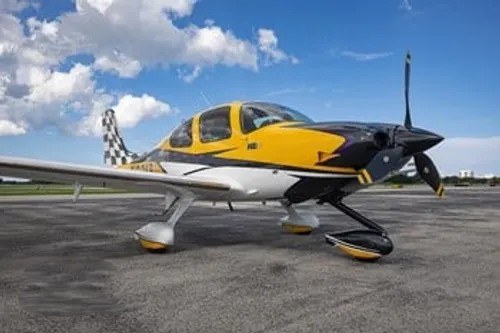
The term describes a cleaning method that relies on appropriate product application and microfiber technique rather than a traditional water rinse across the aircraft. Ozark Aircraft Wash still arrives prepared with its own equipment, products, and water supply because the complete appointment or changing condition may require other cleaning needs.
RealClean Aviation Products are selected for aircraft cleaning and appearance care. That does not represent FAA approval, manufacturer approval, factory certification, or universal suitability for every aircraft surface.
Routine surface dust on a suitable finish may fit careful product-and-microfiber cleaning.
Accessible appearance concerns can be addressed when material and coating requirements permit.
Light bug residue may be included, especially as part of routine post-flight appearance care.
Hangared aircraft and aircraft receiving regular care may be candidates when contamination remains within a suitable range.
These are examples for discussion, not a guarantee that the method fits any specific aircraft. Storage, exposure, condition, and disclosed surface restrictions matter.
Waterless cleaning involves direct contact with the surface. The type and amount of material present determine whether it can be handled responsibly with product and microfiber towels. A lightly dusty hangared aircraft is a different situation from an exterior carrying broad, heavy, or gritty buildup.
Owners should describe contamination honestly and identify areas of concern. An on-site review may change the recommended scope if actual condition differs from the initial description.
Heavier contamination, widespread buildup, or material that should not be worked through repeated wiping may be better suited to low-pressure wet aircraft washing where facility rules, water use, and runoff requirements permit it.
The choice is based on condition and work-area suitability, not a claim that one method is always superior.
The site does not promise scratch prevention, complete contaminant removal, or suitability for every finish. The method remains condition dependent.
Ozark Aircraft Wash is based in Ava and provides mobile service throughout Southwest Missouri, with longer-distance appointments considered individually. Travel charges may apply based on distance and scheduling.
Customer access responsibility: Arrange aircraft, ramp, gate, hangar, security, airport, FBO, or private-facility access and confirm that the proposed work is allowed. Notify the appropriate operator in advance when required.
At least 24 hours of advance notice is preferred. Availability may vary based on travel, weather, airport access, and existing commitments.
Current pricing covers single-engine, twin-piston, turboprop, very light jet, and light jet categories. Pricing may vary based on aircraft condition, location, travel distance, access requirements, and requested work.
Review the supported aircraft-category guidance, then view the complete current waterless-wash pricing.
Provide the aircraft category, general condition, contamination present, proposed work location, related services, disclosed surface restrictions, and preferred timing.
It should not be assumed to be. Heavier or gritty buildup may require wet washing or another approach after condition review.
No. Ozark Aircraft Wash arrives with its own equipment, products, and water supply even when the selected exterior method is waterless.
No. The customer must confirm that the work is allowed and arrange access or notification when required.
Call or text with the aircraft category, general condition, proposed location, requested work, and preferred timing.